-
Diggili Skippili
- No Comments
- Bitcoin
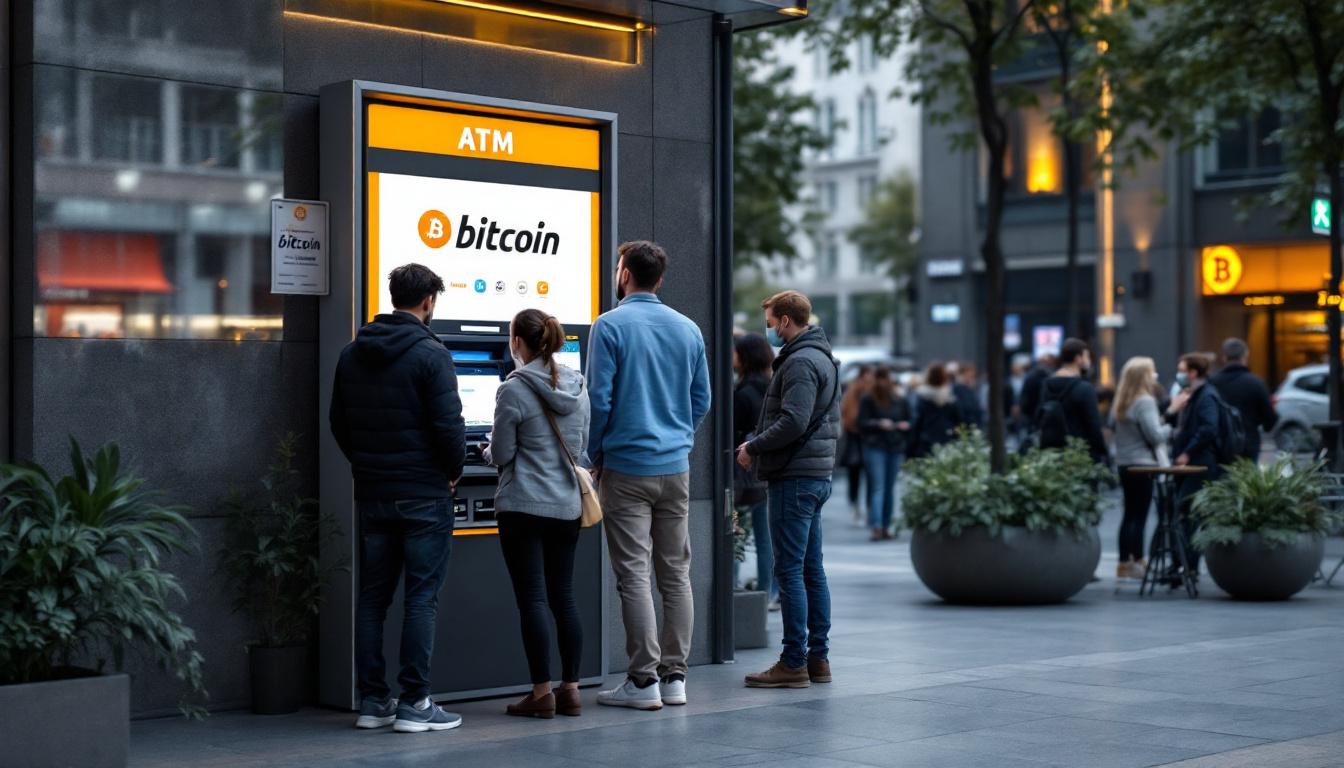
Bitcoin ATMs have revolutionized the way people buy and sell cryptocurrencies, offering a convenient and accessible alternative to online exchanges. However, as regulatory frameworks tighten worldwide, the possibility of withdrawing Bitcoin from ATMs without Know Your Customer (KYC) verification has become increasingly limited. This article explores the current landscape of Bitcoin ATMs that allow withdrawals without KYC, highlighting key countries and cities, the evolving regulatory environment, and what users need to know before attempting such transactions.
The Current State of Bitcoin ATMs and KYC Regulations
Bitcoin ATMs are physical kiosks that enable users to buy or sell Bitcoin and other cryptocurrencies using cash or debit cards. Initially, many of these machines operated with minimal regulatory oversight, allowing users to transact anonymously or with limited identity verification. However, governments and financial authorities worldwide have been ramping up efforts to combat money laundering, fraud, and illicit activities by enforcing stricter KYC and Anti-Money Laundering (AML) requirements.
Today, most Bitcoin ATM operators require some form of identity verification, especially for transactions exceeding certain thresholds. KYC procedures typically involve scanning government-issued IDs, taking selfies, or providing phone numbers and other personal information. While these measures help increase security and regulatory compliance, they also reduce privacy and anonymity for users.
Why KYC Matters in Bitcoin ATM Transactions
KYC regulations are designed to prevent criminal activities such as money laundering, terrorist financing, and fraud. By verifying the identity of users, authorities can trace suspicious transactions and hold individuals accountable. For Bitcoin ATM operators, adhering to these rules is essential to maintain licenses and avoid hefty fines.
For users, understanding the implications of KYC is crucial. While it may seem intrusive, complying with these requirements protects both the ecosystem and the individual from potential legal issues. However, some users still seek ATMs that allow withdrawals without KYC, either for privacy reasons or because they want to avoid lengthy verification processes.
The landscape of Bitcoin ATMs is also evolving with advancements in technology. Some operators are exploring biometric verification methods, such as fingerprint scanning or facial recognition, which could streamline the KYC process while enhancing security. These innovations aim to strike a balance between regulatory compliance and user convenience, potentially attracting a broader audience to cryptocurrency adoption. Moreover, as the cryptocurrency market matures, we may see a diversification of services offered at Bitcoin ATMs, including the ability to trade a wider range of cryptocurrencies beyond Bitcoin, catering to the growing demand for altcoins.
Additionally, the geographical distribution of Bitcoin ATMs is becoming increasingly significant. Countries with more progressive regulatory environments, such as the United States and Canada, are witnessing a surge in Bitcoin ATM installations. In contrast, regions with strict regulations or outright bans on cryptocurrency transactions are lagging behind. This disparity not only affects the accessibility of Bitcoin ATMs but also influences the overall adoption of cryptocurrencies in different markets. As a result, the global landscape of Bitcoin ATMs continues to reflect the complex interplay between regulation, technology, and consumer demand.
Countries and Cities Where Bitcoin ATMs Without KYC Are Still Available
Despite the global trend toward stricter KYC enforcement, some regions and operators still offer Bitcoin ATM services with limited or no identity verification, especially for small transactions. Below is a breakdown of notable countries and cities where such services may still be found, along with the regulatory context.
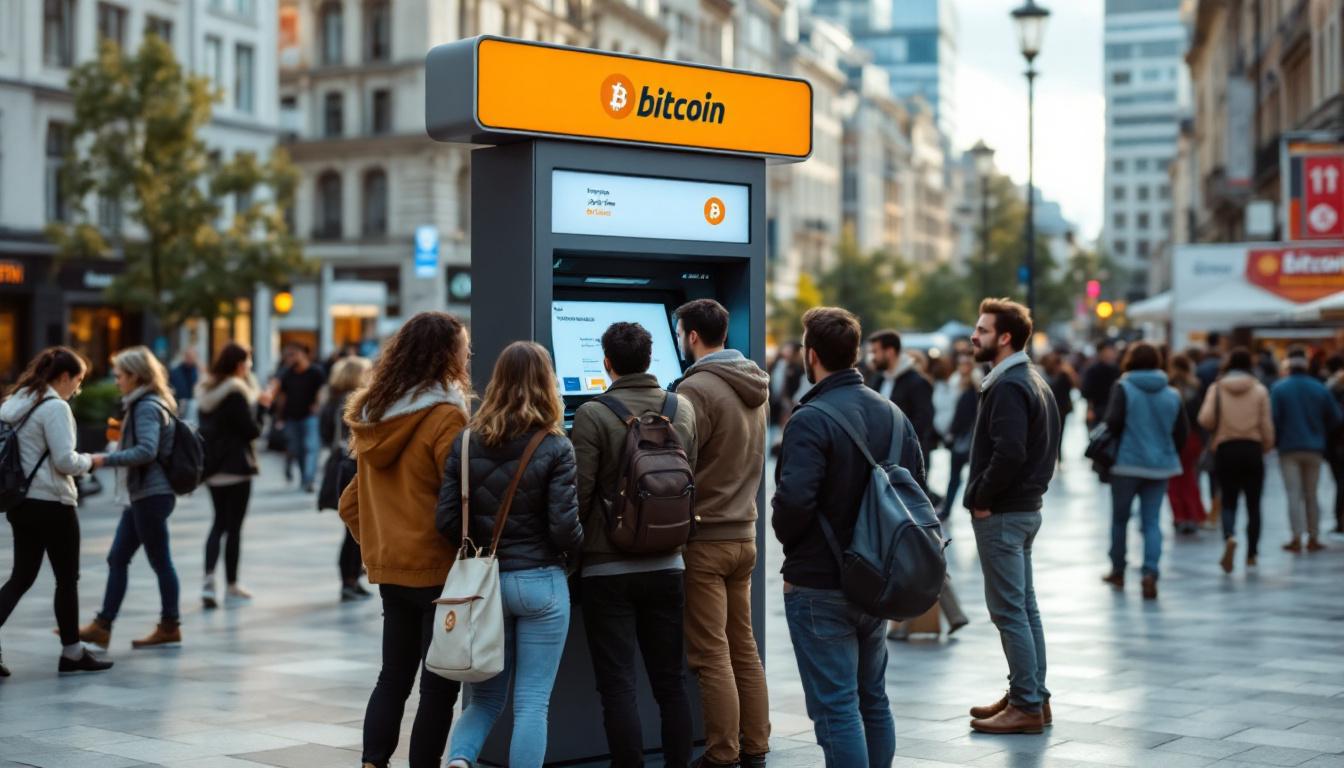
United States: A Leader with Mixed Policies
The United States boasts the largest number of Bitcoin ATMs globally, with nearly 30,000 machines spread across the country. States like California, Texas, and Florida have particularly high concentrations of these ATMs. However, the regulatory landscape in the U.S. is complex and varies by state.
Many U.S. Bitcoin ATMs require KYC for withdrawals above certain limits, often around $1,000 to $2,500, depending on the operator. For smaller amounts, some machines may still allow transactions without full identity verification, though this is becoming increasingly rare. Operators must comply with Financial Crimes Enforcement Network (FinCEN) guidelines, which emphasize KYC for anti-money laundering purposes.
Users in the U.S. looking for no-KYC Bitcoin ATM withdrawals should carefully research individual operators and machines, as policies can differ widely. Additionally, local regulations may impose further restrictions.
Canada: Growing Market with Regulatory Oversight
Canada ranks second worldwide in Bitcoin ATM installations, with cities like Toronto and Vancouver hosting a significant number of machines. Canadian regulators have adopted a cautious approach, balancing innovation with security concerns.
While some Canadian Bitcoin ATMs may still offer limited no-KYC services for small transactions, most operators require identity verification for withdrawals above a few hundred Canadian dollars. The Financial Transactions and Reports Analysis Centre of Canada (FINTRAC) enforces AML and KYC regulations that operators must follow.
As a result, anonymous Bitcoin ATM withdrawals are increasingly rare in Canada, and users should expect to provide identification for most meaningful transactions.
Australia: Rapid Growth and Stringent Rules
Australia has experienced rapid growth in Bitcoin ATM installations, with over 1,200 machines as of 2025. The Australian Transaction Reports and Analysis Centre (AUSTRAC) has implemented strict regulations to enhance financial security.
Since 2025, Australian Bitcoin ATM operators must perform KYC checks for transactions exceeding A$50,000 within a seven-day period or for customers aged 55 and older. This has effectively limited anonymous transactions at Bitcoin ATMs, especially for larger withdrawals.
For smaller amounts, some operators may still allow limited no-KYC transactions, but these are exceptions rather than the rule. Users should be aware of these regulations and the potential consequences of attempting to bypass them.
Spain: End of Anonymous Bitcoin ATM Withdrawals
Spain has taken a firm stance on Bitcoin ATM regulations. Starting January 2025, all Bitcoin ATM users in Spain must undergo KYC verification, ending the era of anonymous transactions at these machines.
Operators like Bitomat, which previously allowed high daily withdrawal limits without KYC, have since revised their policies to comply with the new regulations. This move aligns Spain with broader European Union efforts to strengthen AML and KYC frameworks.
As a result, users in Spain no longer have the option to withdraw Bitcoin from ATMs without providing identification, regardless of transaction size.
Poland: A Growing Hub with Evolving Regulations
Poland has emerged as a significant player in the Bitcoin ATM market, surpassing countries like El Salvador with 219 active machines as of early 2025. The country’s regulatory environment is still evolving, with some operators offering limited no-KYC services for small transactions.
However, authorities are increasingly focused on tightening AML and KYC requirements. Users should exercise caution and verify the current policies of individual Bitcoin ATMs before attempting no-KYC withdrawals.
Key Considerations When Using Bitcoin ATMs Without KYC
While the allure of anonymous Bitcoin ATM withdrawals remains strong for some users, it is important to weigh the risks and legal implications carefully. Here are some critical points to consider:
Regulatory Compliance and Legal Risks
Using Bitcoin ATMs without KYC in jurisdictions where it is mandated can expose users to legal penalties, including fines or criminal charges. Operators found violating regulations may also face shutdowns or penalties, reducing the availability of such services.
Before attempting no-KYC withdrawals, users should thoroughly research local laws and ensure that their actions do not contravene regulations. Ignorance of the law is rarely a valid defense in financial matters.
Security and Privacy Concerns
While no-KYC transactions offer greater privacy, they also carry increased risks. Without identity verification, it is harder to resolve disputes or recover funds in case of errors or fraud. Users should be cautious and avoid large transactions without proper safeguards.
Moreover, some no-KYC Bitcoin ATMs may be operated by less reputable entities, increasing the risk of scams or data breaches. Verifying the legitimacy of the operator and machine is essential.
Transaction Limits and Fees
Bitcoin ATMs that allow no-KYC withdrawals often impose strict limits on the transaction amount, typically ranging from $100 to $500. Fees may also be higher compared to verified transactions, reflecting the increased risk for operators.
Users should factor these limitations into their plans and consider whether the convenience and privacy benefits outweigh the costs and restrictions.
Future Outlook: Will No-KYC Bitcoin ATM Withdrawals Survive?
The global trend toward increased financial regulation and transparency suggests that the availability of Bitcoin ATMs allowing withdrawals without KYC will continue to diminish. Governments are prioritizing the fight against illicit finance, and technology is making it easier to enforce compliance.
However, privacy remains a core value for many in the cryptocurrency community. Innovations such as decentralized finance (DeFi), privacy coins, and peer-to-peer exchanges may offer alternative avenues for anonymous transactions, even as Bitcoin ATM policies tighten.
For now, users seeking no-KYC Bitcoin ATM withdrawals should stay informed about regulatory changes, carefully select operators, and be prepared for evolving requirements.
Conclusion: Navigating the Changing Bitcoin ATM Landscape
Bitcoin ATMs have become an essential part of the cryptocurrency ecosystem, offering accessibility and convenience. Yet, the era of widespread no-KYC Bitcoin ATM withdrawals is largely over due to global regulatory efforts to enhance security and prevent financial crimes.
While some countries and cities still offer limited no-KYC services, these are increasingly rare and subject to strict transaction limits. Users interested in anonymous Bitcoin ATM withdrawals must conduct diligent research, understand local laws, and prioritize security and legitimacy.
Ultimately, balancing privacy with compliance is key to safely navigating the evolving world of Bitcoin ATM transactions.



No Comments